A History of the Château

Long Before It Was Ours

Toujours Fidélité

Long before it opened its doors to us, the Château had another name and a century of history behind it. This is where it came from, who built it, and how it found its way back to quiet, private hands.

01 · Origins

A Storied Ascend

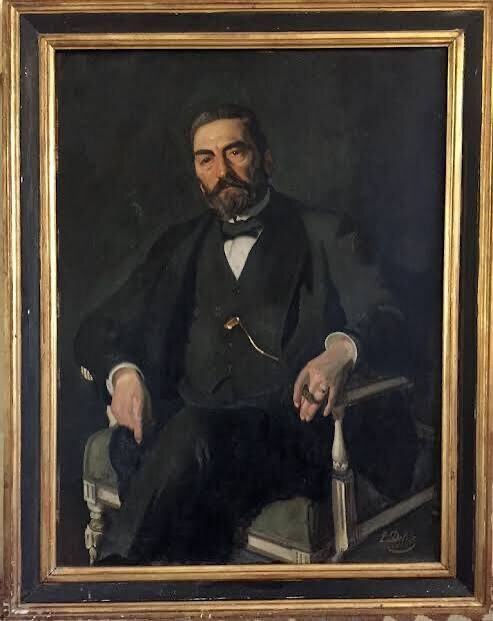
The land came into the family on the 8th of January, 1850, when the Marquise de Massa — two days into her second marriage, to André Roger — bought the domain from the Marquis de Châteaumorand. She became Baroness Roger, and her son, Eugène, was born on the estate that same year.

Over the decades that followed, mother and son more than tripled the property and rebuilt much of the life of the surrounding village alongside it — roads and a rail connection, an enlarged church, a school, a mill. Baron Roger, an enthusiastic huntsman, became the village's mayor at thirty, in 1880, and it was he who commissioned the Château guests know today.

Key Dates

1850
The domain acquired by Baroness Roger
1893
Construction of the new Château completed
1995
Inscribed as a historical monument
2026
Acquired by Château Changeux
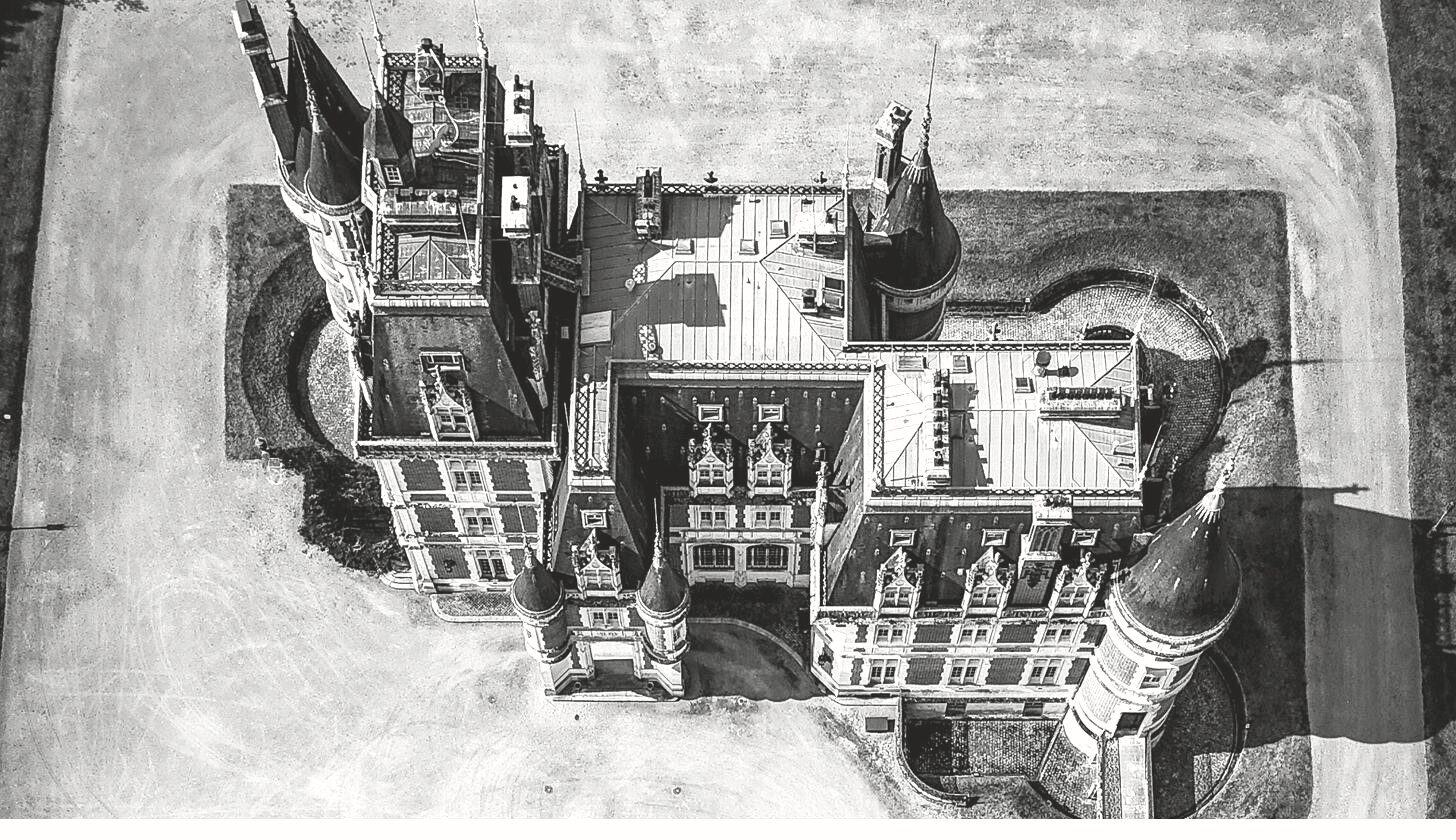
The rooflines of the Château, seen from above

The rooflines of the Château, seen from above.

02 · Construction

Built for the Hunt

The Château was the Baron's commission — built to receive Parisian society for the chase. He engaged the architect Gabriel-Hippolyte Destailleur, who had already built a château for his half-brother, the Duke of Massa. Destailleur presented his first plans in August 1885, and by 1887 the final plan was established; the entrepreneur contractor Desabres de Bourges was selected to lead the construction site of the neo-Gothic and Renaissance building. The work, commissioned by Baron Eugène Roger, lasted six years, completed in 1893.

His son, Walter, later added the entrance guard house, with the grounds laid out by the landscape architect Henri Duchêne, who planted the fifty hectares of park that still surround the Château today.
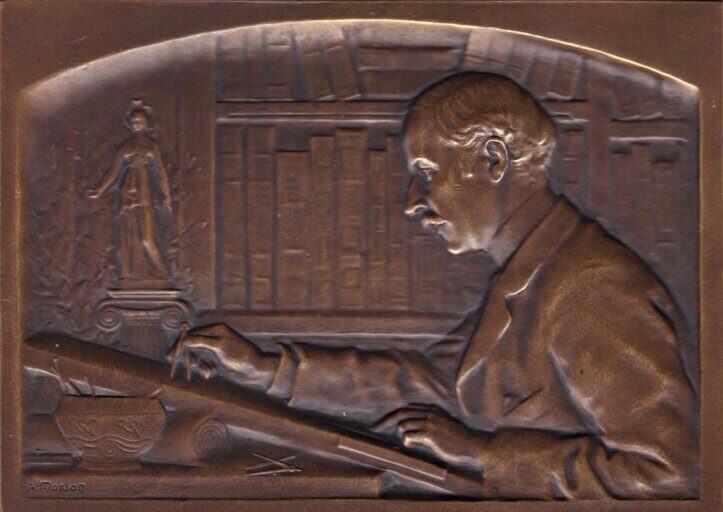
The Names Behind It

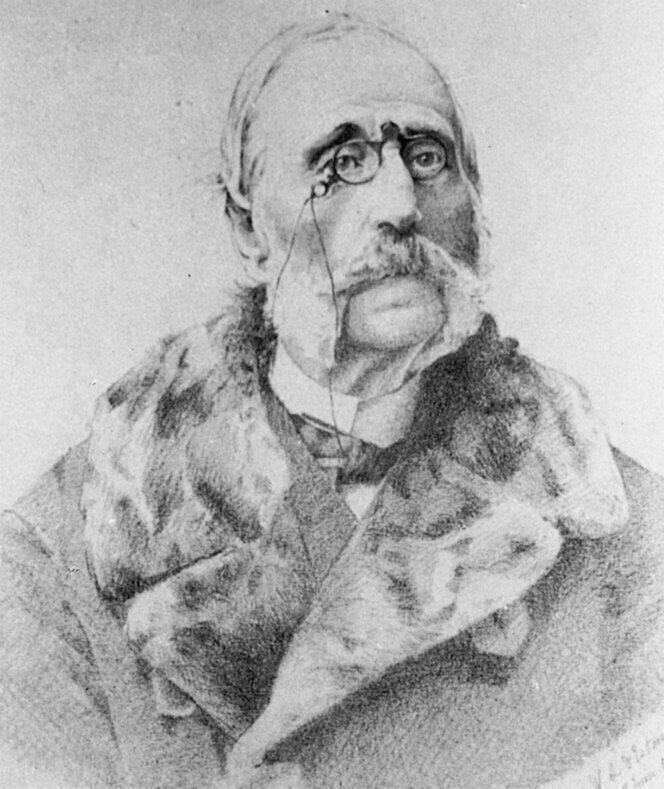
Portrait of Gabriel-Hippolyte Destailleur

Gabriel-Hippolyte Destailleur

Architect
Portrait medallion of Walter-André Destailleur

Walter-André Destailleur

Architect
Portrait of Henri Duchêne

Henri Duchêne

Landscape Architect
03 · Architecture

A Château in Three Parts

The Château is neo-Gothic, with a discreet mixture of Renaissance detail, and stands as three buildings of different sizes over a single basement — a central block with two wings finishing in round corner towers that read, from a distance, as medieval.

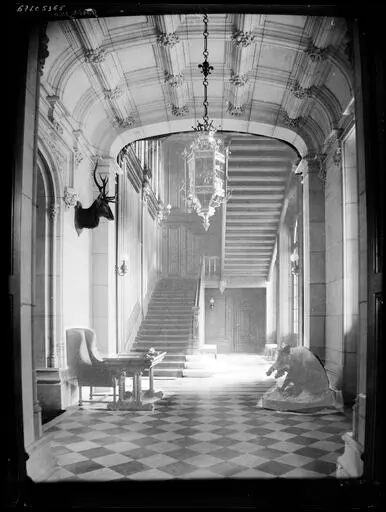
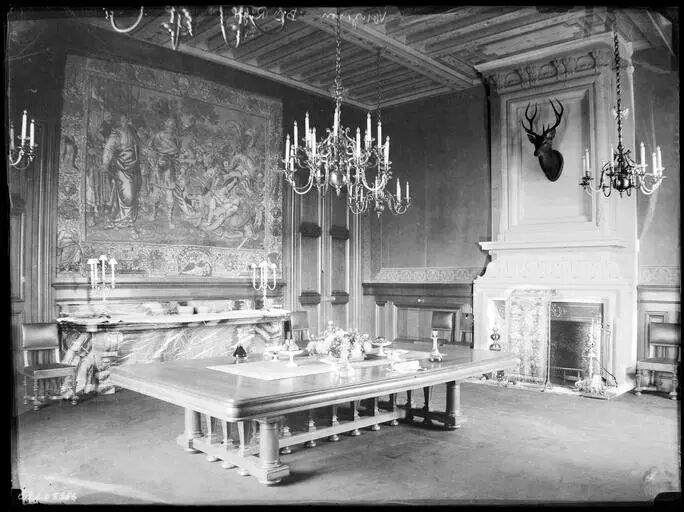
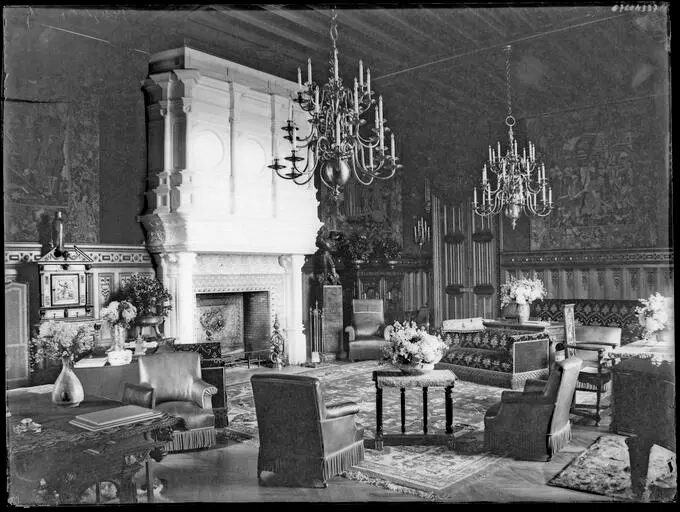
Its ground floor was built entirely for reception: a row of principal rooms, each fitted with a chimneypiece copied from the royal chimneys of Francis I. A wooden staircase, its newels carved with lion heads, climbs to two floors of guest rooms, each with its own bathroom; the West Pavilion was kept entirely private, for the family's own apartments. Construction drew a nearby mill into brickmaking, brought running water to the Château by underground pipe, and raised the artificial lake and its water features that guests still wander past today.

Archive

As It Once Was

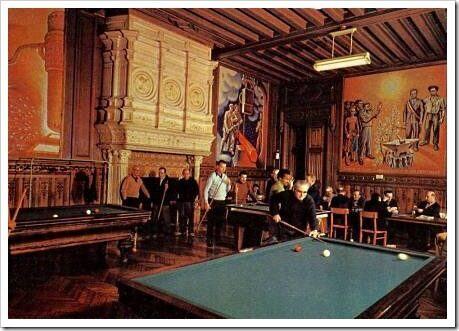
A glimpse of the Château through the twentieth century, drawn from the estate's own archive.

04 · Continuity & Protection

A Century of Quiet Service

The twentieth century asked less of the Château than the nineteenth had. Baron Roger's death in 1906 closed its grandest years, and across the decades that followed, the estate passed through a long stretch of institutional life — a wartime annex, a children's home, later a training centre — each chapter leaving the building standing, if not always thriving. By the century's end, the Château stood empty, its grandest rooms waiting for a use closer to the one they were built for.

Part of the estate has carried the protection of a historical monument since the 17th of February, 1995, when the French state formally inscribed a defined list of its features. Among the elements protected:

  • The Old Château and the Château Neuf, including its grand staircase and roof terrace
  • The entrance roundabout and guard château
  • The kennel complex raised at the close of the nineteenth century
  • The kitchen garden, in full, and its outbuildings
  • The parcels of parkland on which the Château and its grounds stand

The inscription is a public record, held at the prefecture of the Cher, and a copy is kept with the estate archive.

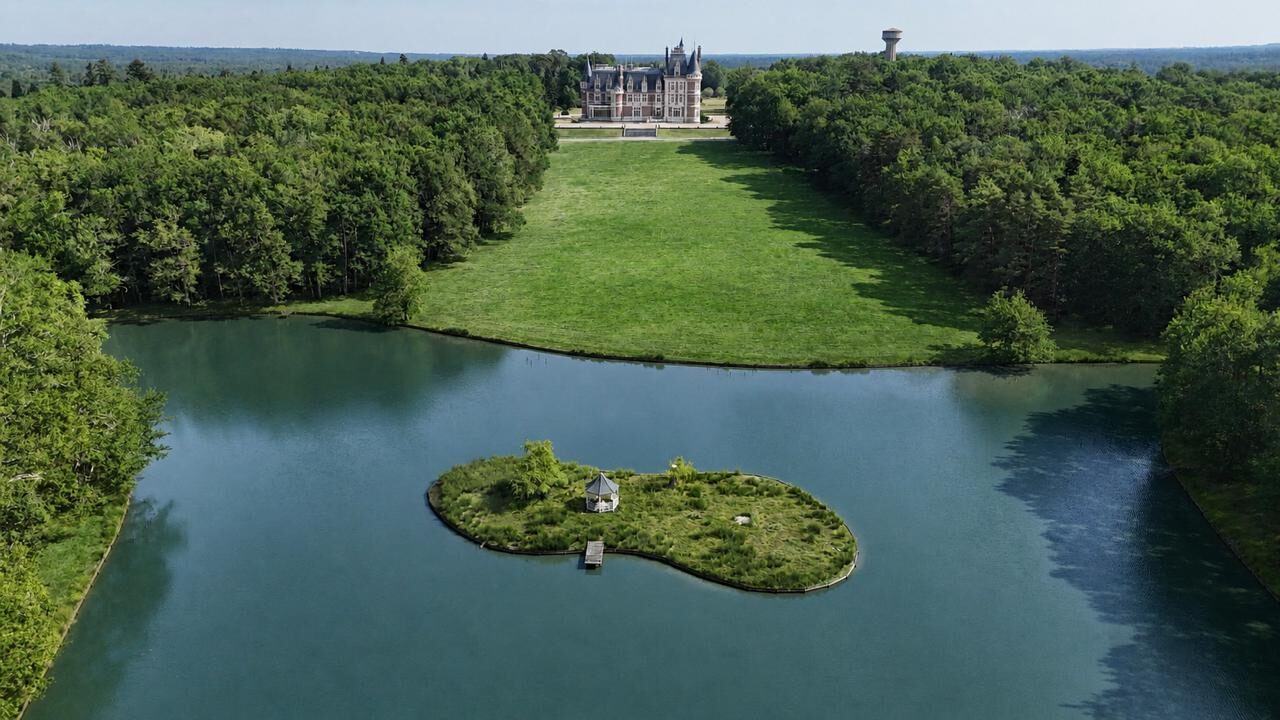
The Château's private lake, seen from above

The lake and its island, much as Baron Roger would have known them.

05 · Restoration

Restoration & the Present Day

The estate was purchased in 2006 by a Dutch industrialist, who undertook substantial restoration to both the Château and its park over the years that followed.

Château Changeux acquired the property in 2026 — asking of it now something closer to what Baron Roger first intended than any of the uses in between: a Château let to one party at a time, its rooms in use rather than on display. The motto carried on the crest, Toujours Fidélité, was chosen for the point.

A Short Timeline

The Château, at a Glance

YearEvent
1850The domain acquired by Baroness Roger; Eugène Roger born on the estate
1887–1893Construction of the new Château, to designs by Gabriel-Hippolyte Destailleur
1897The guard château and entrance roundabout added, grounds laid out by Henri Duchêne
1906Death of Baron Eugène Roger
1906–2003A century of varied institutional and family use
1995Inscribed as a historical monument (17 February)
2006Purchased and restored by a Dutch industrialist
2026Acquisition by Château Changeux

Continue Exploring

The story continues in the rooms themselves — restored, dressed, and ready for your own chapter of it.